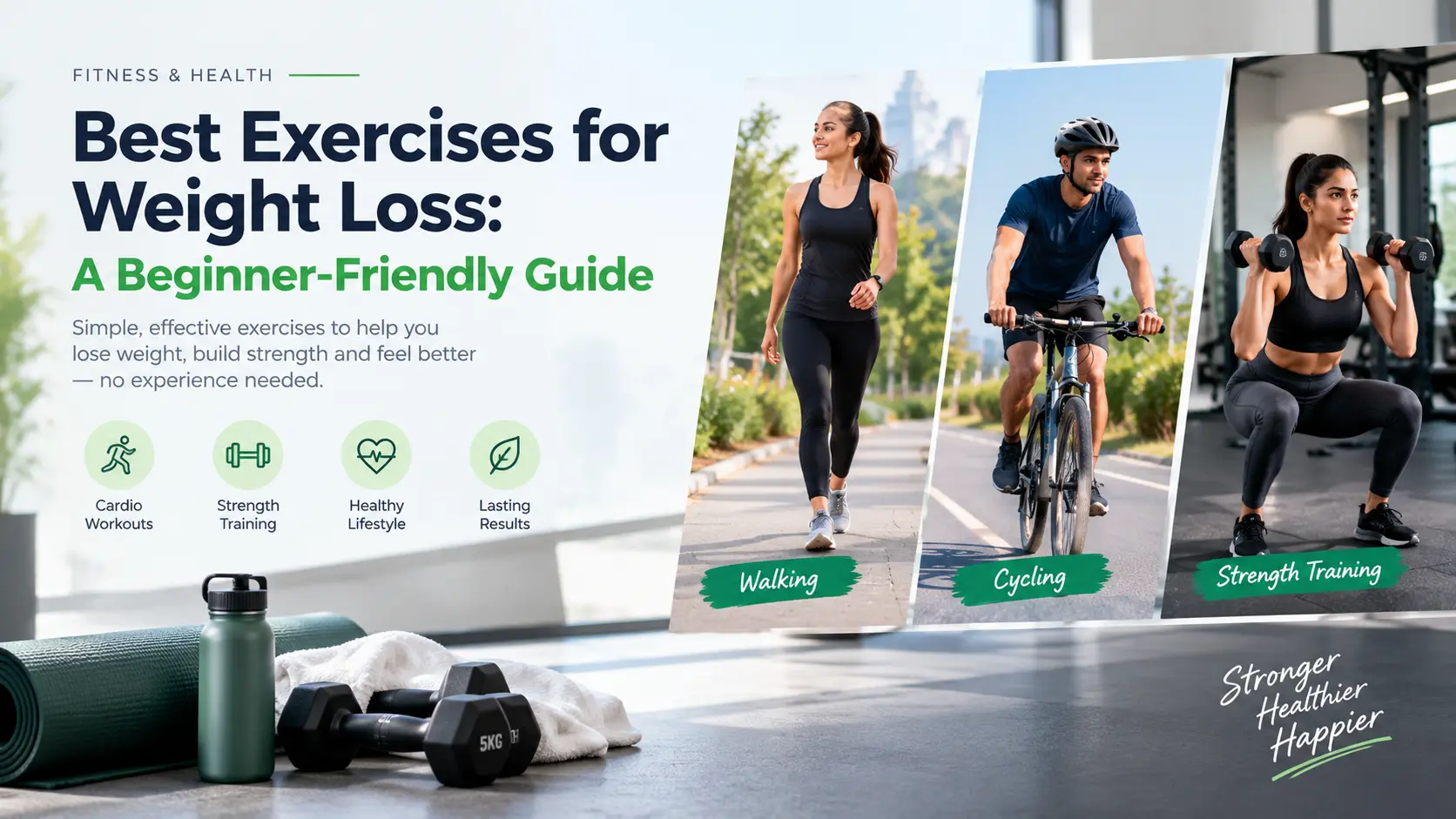
Starting a fitness journey can feel overwhelming, especially when there are so many workouts, fitness programs, and weight-loss tips to choose from. The good news is that you do not need an advanced workout routine to begin making progress.
The best exercises for weight loss are activities you can perform consistently, enjoy, and gradually adapt to your fitness level. A combination of cardiovascular exercise, strength training, and everyday movement can help you build a healthier and more active lifestyle.
In this beginner-friendly guide, we will explore effective exercises for weight loss, explain how to get started, and share practical tips for building a sustainable workout routine.
Why Is Exercise Important for Weight Loss?
Physical activity helps your body use energy, supports cardiovascular health, and can help maintain muscle as you lose weight. Regular exercise can also improve sleep, mood, stamina, and overall well-being.
Weight changes are influenced by several factors, including eating habits, physical activity, sleep, medications, and individual health conditions. Exercise can support weight management, but no single workout guarantees weight loss.
For many beginners, the most effective approach is to start with manageable activities and gradually build a consistent routine.
7 Best Exercises for Weight Loss
1. Walking
Walking is one of the simplest ways to begin exercising. It requires minimal equipment, can be adapted to different fitness levels, and is easy to incorporate into your daily schedule.
Benefits of walking:
- Supports cardiovascular health.
- Helps increase daily physical activity.
- Can be performed outdoors or on a treadmill.
- Provides a low-impact option for many beginners.
How to start: Begin with a comfortable 10–15-minute walk. As your stamina improves, gradually increase your duration or pace. You can also split your walking time into shorter sessions throughout the day.
2. Cycling
Cycling is a cardiovascular exercise that works the muscles of your legs while helping improve endurance. You can cycle outdoors or use a stationary bike at home or in a gym.
Benefits of cycling:
- Improves cardiovascular fitness.
- Helps strengthen the lower body.
- Offers an adjustable workout intensity.
- Provides a relatively low-impact alternative to running.
How to start: Try 10–15 minutes at a comfortable pace. Increase the duration gradually and adjust the resistance to suit your fitness level.
3. Strength Training
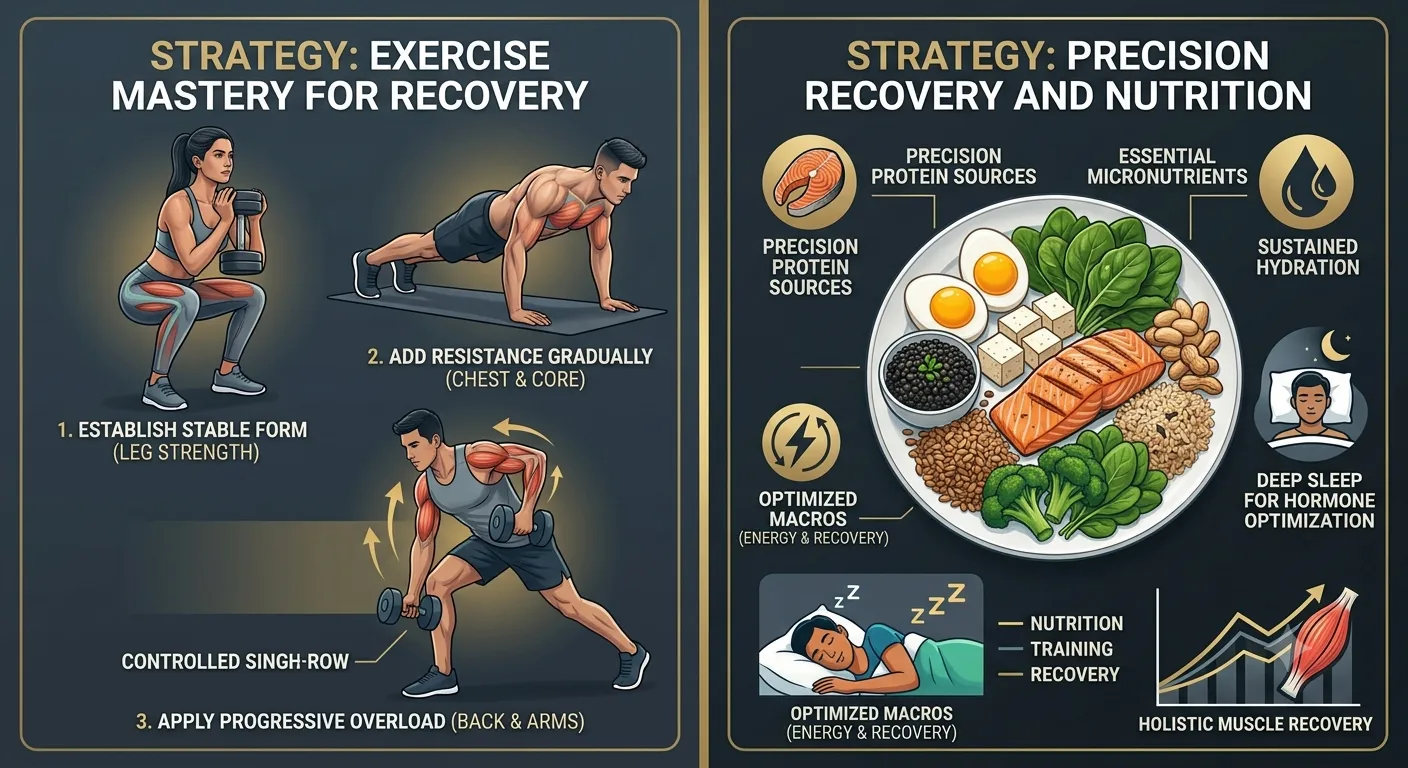
Strength training includes exercises that challenge your muscles using body weight, resistance bands, dumbbells, or gym equipment.
Examples include squats, wall push-ups, resistance-band rows, and modified lunges.
Benefits of strength training:
- Helps build and maintain muscle.
- Supports strength and everyday mobility.
- Can improve body composition over time.
- Helps you develop a balanced fitness routine.
How to start: Begin with one or two sets of simple exercises, using a level of resistance you can control with good technique. Allow time for recovery between challenging sessions.
You do not need to lift heavy weights as a beginner. Focus on learning the movements and progressing gradually.
4. Swimming
Swimming combines cardiovascular activity with resistance from the water. It can be a useful option for people who prefer a low-impact workout.
Benefits of swimming:
- Engages multiple muscle groups.
- Supports cardiovascular endurance.
- Reduces impact on weight-bearing joints.
- Offers variety for people who enjoy water-based activities.
How to start: Choose a comfortable swimming pace and take breaks as needed. Beginners should swim in a supervised facility and use appropriate safety precautions.
5. Bodyweight Exercises
Bodyweight exercises use your own body as resistance. They are convenient for home workouts and can be modified to suit different abilities.
Examples include:
- Chair squats.
- Wall push-ups.
- Glute bridges.
- Standing knee raises.
- Modified planks.
Benefits of bodyweight training:
- Requires little or no equipment.
- Helps develop strength and coordination.
- Can be adapted for beginners.
- Makes it easier to exercise at home.
How to start: Choose three or four exercises and perform a small number of controlled repetitions. Rest between sets and stop if you experience pain or dizziness.
6. Low-Impact Aerobic Exercise
Low-impact aerobic activities can raise your heart rate without requiring jumping or running.
Examples include marching in place, step-touch movements, beginner dance workouts, and low-impact aerobics classes.
Benefits of low-impact aerobics:
- Helps improve stamina.
- Can be easier to adapt for beginners.
- Adds variety to your weekly routine.
- Can be performed in a small space.
How to start: Try a 10-minute beginner workout with comfortable movements. Increase the duration as your fitness improves, and choose exercises that feel stable and controlled.
7. Running or Jogging
Running and jogging can provide an effective cardiovascular workout for people who are ready for higher-impact activity. However, they are not necessary for weight loss, and beginners do not need to start with intense sessions.
Benefits of running or jogging:
- Builds cardiovascular endurance.
- Can be performed outdoors or on a treadmill.
- Offers flexible workout durations.
- Can be combined with walking intervals.
How to start: Alternate short, easy jogging intervals with walking. Increase your activity gradually, use suitable footwear, and allow recovery time between sessions.
If running causes joint pain or other discomfort, consider walking, cycling, swimming, or another activity that suits your needs.
Beginner-Friendly Weekly Workout Plan
You do not have to exercise intensely every day. Start with a realistic schedule and adjust it according to your fitness, recovery, and available time.
Here is an example of a simple weekly plan:
| Day | Activity | Suggested duration |
|---|---|---|
| Monday | Brisk walking | 15–20 minutes |
| Tuesday | Beginner strength training | 15–20 minutes |
| Wednesday | Walking or cycling | 15–20 minutes |
| Thursday | Rest or gentle mobility | As comfortable |
| Friday | Beginner strength training | 15–20 minutes |
| Saturday | Walking, swimming, or cycling | 20–30 minutes |
| Sunday | Rest or gentle activity | As comfortable |
These durations are starting suggestions, not a strict requirement. If you are new to exercise, begin with shorter sessions and increase them gradually.
Over time, adults can work toward public-health recommendations of at least 150 minutes of moderate-intensity aerobic activity each week, alongside muscle-strengthening activities on two or more days, as their abilities and health allow.
Tips to Make Your Workouts More Effective
Set Realistic Goals
Choose goals that focus on actions you can control, such as walking three times a week or completing two strength-training sessions. Small, repeatable habits can help you stay consistent.
Combine Cardio and Strength Training
Cardiovascular exercise supports endurance, while strength training helps maintain and build muscle. Including both provides a more balanced fitness routine than relying on only one type of exercise.
Pay Attention to Nutrition
Exercise is only one part of weight management. Eating balanced meals with appropriate portions, protein sources, vegetables, fruit, and other nutrient-rich foods can support your overall goals.
Avoid extreme diets or severely restricting food intake. If you need individualized nutrition guidance, consider consulting a qualified healthcare professional or registered dietitian.
Get Enough Sleep and Recovery
Rest helps your body recover between workouts. Aim for a consistent sleep schedule, take rest days when needed, and avoid increasing your workout intensity too quickly.
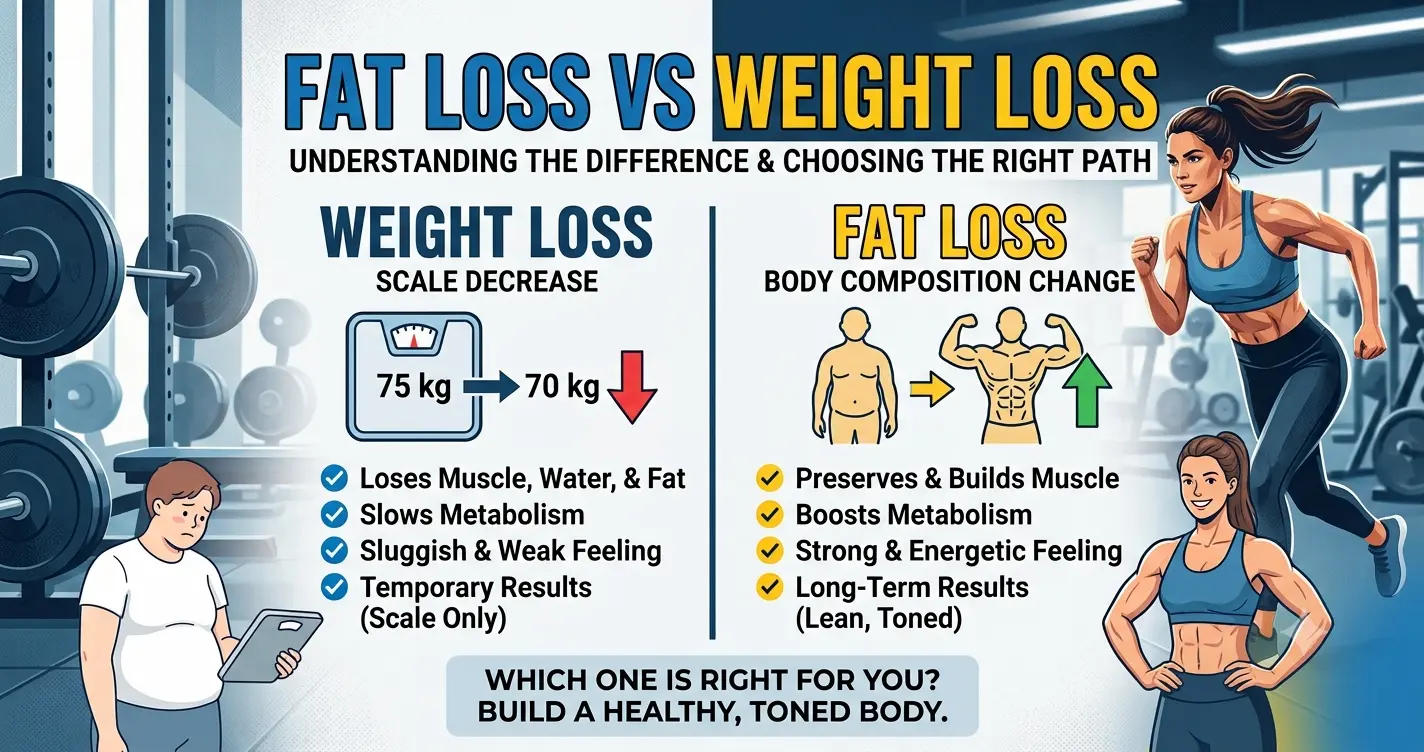
Track Your Progress Beyond the Scale
Weight is only one measure of progress. You can also track improvements in stamina, strength, walking duration, energy levels, and workout consistency.
These changes can help you recognize progress even when the number on the scale does not change immediately.
Common Weight-Loss Workout Mistakes to Avoid
Beginners sometimes make their routines harder than necessary. Avoid these common mistakes:
- Doing too much too soon: Increase workout duration and intensity gradually.
- Skipping strength training: Include resistance exercises to support muscle strength.
- Expecting immediate results: Sustainable changes generally take time.
- Ignoring recovery: Rest and sleep are important parts of a fitness routine.
- Following workouts that do not suit your abilities: Modify movements and choose activities that feel appropriate for you.
- Focusing only on calories burned: Enjoyment, consistency, fitness improvements, and overall health matter too.
If you have a chronic health condition, significant joint problems, or concerns about starting exercise, consult a healthcare professional for personalized guidance.
How Long Does It Take to See Results?
There is no single timeline for weight loss. Results vary depending on your starting point, activity level, eating habits, sleep, health, and consistency.
Some people notice improvements in energy or stamina before they notice changes in body weight. Focus on building sustainable habits instead of expecting a particular amount of weight loss within a fixed period.
The goal is to create a routine you can maintain, rather than relying on short-term, extreme workouts.
Final Thoughts
The best exercises for weight loss are the ones that fit your fitness level, preferences, and lifestyle. Walking, cycling, swimming, strength training, bodyweight exercises, low-impact aerobics, and jogging can all play a role in a well-rounded routine.
Start small, choose activities you enjoy, and gradually increase your effort as your fitness improves. Pair regular movement with balanced nutrition, adequate sleep, and recovery to support your long-term health goals.
Ready to take the next step in your fitness journey? Explore ABEX Fitness to learn more about building a workout routine that supports your goals and helps you stay consistent.
Frequently Asked Questions
1. What is the best exercise for weight loss for beginners?
Walking is a practical starting point for many beginners because it is accessible and easy to adjust. Strength training and other enjoyable cardiovascular activities can complement it.
2. Can I lose weight by exercising at home?
Yes. Home workouts using bodyweight exercises, walking, dancing, and resistance bands can support weight management. Consistency and an approach that fits your overall lifestyle are important.
3. How many days a week should beginners exercise?
Start with a schedule you can maintain. Many beginners can gradually build toward regular aerobic activity throughout the week and strength training on at least two days, depending on their abilities and recovery.
4. Is cardio or strength training better for weight loss?
Both can be useful. Cardio improves cardiovascular fitness and increases energy expenditure, while strength training helps build and maintain muscle. Combining them is a good general approach.
5. Do I need to go to the gym to lose weight?
No. Walking, cycling, home workouts, and other physical activities can help you become more active without a gym membership. A gym is simply one option for accessing equipment, classes, and structured support.